
73% of Gen Z social media users have witnessed misogynistic content online with half encountering it on a weekly basis, and 70% believe misogynistic and divisive language has increased on social media.
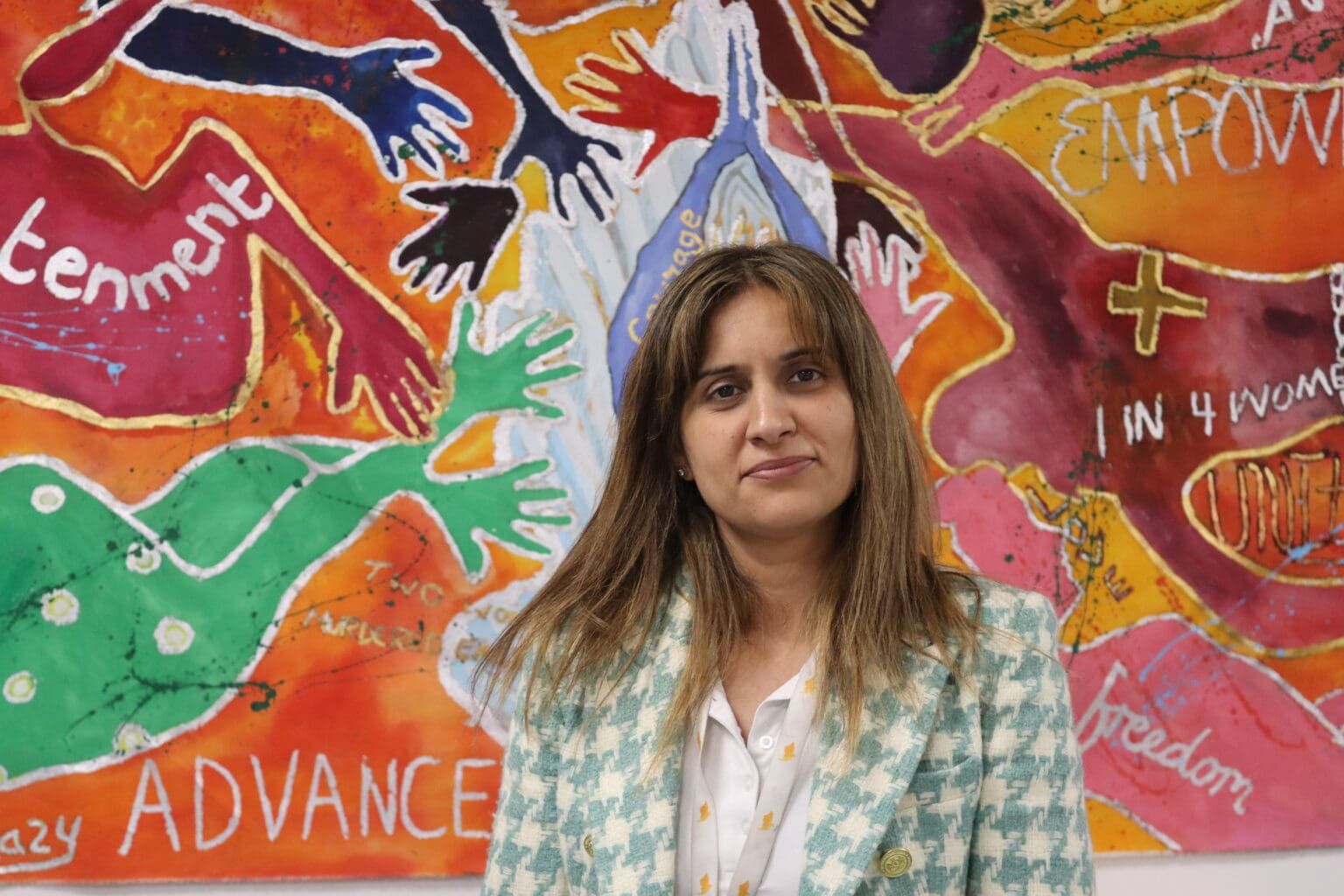
As Dali Kaur, Director of Young Women & Girls services at Advance, it is abundantly clear to me—and, most importantly, it has been said directly by girls and young women themselves—that too much onus is still placed on them. Rather than on changing the behaviour of those causing harm or on the systems that enable it. Girls and young women are asking for a major strategic shift across the women’s and girls’ sector in how we approach early prevention.
We must broaden the conversation. We must talk directly to boys and young men at an early age. While maintaining specialist support for young women and girls.
Too often, blame is still placed on victims. Even within our own sector, there can be an overwhelming focus on equipping girls and young women with the skills to identify dangerous or abusive behaviours in potential partners, strangers on the street, passengers on public transport, or people they encounter in social settings. Early intervention, alongside holistic, person-centred advocacy and support, should be the norm—not a postcode lottery.
Girls and young women have repeatedly told us this! They have asked us to invest more energy in working with boys and young men, building on decades of expertise in responding to domestic abuse and other forms of gender-based violence. We need to engage boys earlier in their lives, helping them understand and challenge the behaviours, attitudes and social norms that underpin violence and harm.
That means creating spaces where boys and young men feel able to question harmful messages they may hear from family members, peers or online influences, and to speak out when they encounter them.
It also means encouraging a healthier understanding of masculinity—one that allows them to talk openly about their feelings, seek support when they need it, build meaningful friendships, and express vulnerability without shame.
Advance was founded as a domestic abuse charity in the heart of West London, and we know—just as the Domestic Abuse Act 2021 recognises—that children are victims of domestic abuse in their own right. We also understand the profound impact that growing up in an abusive environment can have on a child’s mental health, wellbeing, behaviour and understanding of what healthy relationships should look like.
An estimated 160,000 children in England are currently living in households where domestic abuse is taking place.
Despite the countless wonderful men working hard every day to be positive role models, to provide safe spaces for challenging negative ideas and engaging in conversation, too many young boys still feel ill equipped without those positive role models, and those they have are up against an entrenched system still underpinned by often dangerous ideas of femininity and
masculinity. The challenge is often that work to combat this is often done in siloes, but it cannot happen in isolation.
We need a collective approach that recognises that what supports girls, can support boys too.
Building responses to harmful behaviour does not mean shaming boys or treating them as perpetrators before they have done anything wrong. It means working with them, listening to them, and designing interventions shaped by their experiences, as well as the experiences of girls and young women.
We also need to be honest about what boys and young men are navigating. Misogyny among boys is being fuelled by social media influencers, rigid gender norms and online messages about power, money and masculinity. These pressures do not sit separately from the violence and harm experienced by women and girls—they are part of the same conversation.
At Advance, we want to see innovative programmes that include boys and young men in prevention work, while keeping girls and young women at the centre of specialist support. Services for young women and girls, and for young men and boys, should be able to work alongside each other in ways that are local, intersectional, non-judgemental and relatable.
Through informal roundtables, Advance is opening conversations with boys from diverse backgrounds about feminism, misogyny, consent and healthy relationships. These discussions avoid blame and instead create room for honesty.
At Advance we’ve been holding conversations and focus groups since early 2025 to gain insight into the issues young people face, the changes needed and how we can better support young women and men.
We are at a critical point. If we are serious about tackling violence against women and girls, we need urgent, radical and coordinated solutions—and we need to start early. For too long, sexism and misogyny have been normalised and allowed to take root in our schools, online spaces and communities.