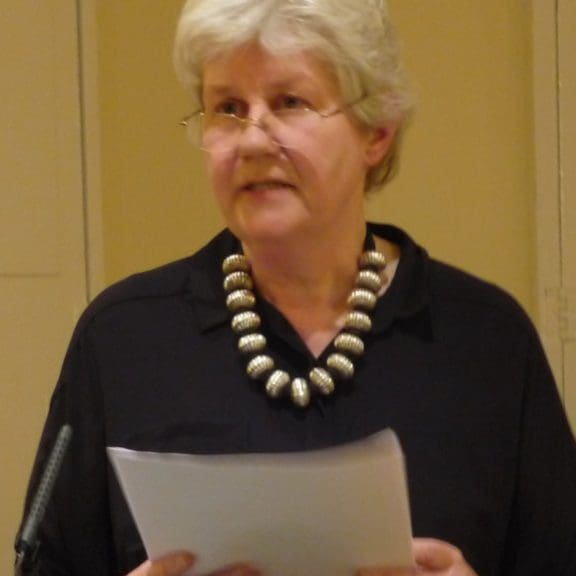
A message from our Chair
Despite the dedicated efforts of Advance and similar charities, women and girls continue to experience widespread abuse of all kinds, increasing violence, and injustice.
While there is an increasing awareness of domestic abuse, there is a broad misunderstanding of this crime and its impact. Domestic abuse remains significantly underreported and has a devastating impact not just on women but also on children; it’s estimated that 20% of children in the UK are living with domestic abuse. This is a crisis which blights the lives of too many women and girls. The issues are prevalent and complex, from young women who are at the highest risk of experiencing intimate partner violence and sexual harassment, to the devastating impact of coercive control – abuse that is not physical, but which creates invisible chains and a sense of fear that pervades all elements of a survivor’s life.
The economic cost is immense, with estimates reaching £85 billion annually. Underlying much of this is poverty, housing insecurity, mental health challenges, misogyny, racism and the systemic criminalisation of women. Structural issues like inadequate funding (less than 2% of all grants awarded to charities go to women’s and girls’ organisations), legal frameworks and discrimination hinder effective protection and support.
What Advance does to support women and girls and why it works:
Advance delivers evidence-based services shaped by those with lived experience, partnering with specialist groups to support women and girls effectively. The organisation also advocates for systemic reforms, especially concerning the inappropriate criminalisation of survivors.
We also run women’s centres. Safe, private spaces where women and girls supported by Advance can access emotional and physical support, meet with their keyworker and take part in a variety of activities and benefits.
Advance’s 2026-2030 strategy focuses on three areas:
- Survivors of domestic abuse: Tailored, practical help via Independent Domestic Abuse Advocates (IDVAs) to protect against further harm.
- Women in the criminal justice system: Support from arrest through probation and release, including diversion programs proven to reduce re-arrest rates.
- Young Women and Girls Services: Specialised support for girls and young women aged 13–24, including those at risk of entering the justice system, with dedicated centres like Advance’s Bloom Hub.
In addition, Advance prioritises community engagement and awareness-raising about violence against women and girls, emphasising early intervention as key to prevention.
We believe in early intervention and that’s because it supports prevention. Through early intervention with children, young women and girls, we disrupt inter-generational cycles of abuse and prevent escalation into crisis. Our group work with boys, currently in its pilot phase, focuses on fostering healthy relationships and examining negative beliefs and attitudes towards girls and women, which seeks to reduce violence against women and support long-term societal and behavioural change.
This approach is aligned with Government priorities to establish a comprehensive societal response to domestic abuse, ensuring timely and accessible support for all victim-survivors. It also corresponds with the Government’s commitment to enhancing the justice system’s response to women and girls, recognising their roles as both victims and individuals involved with the justice system.
Further details regarding our strategic plans for the next three years can be found in our 2026-2030 strategy document.
Our progress would not be possible without the ongoing support of our partners, commissioners, funders, the board of trustees, our CEO Liz Mack, the senior leadership team, and the dedicated staff at Advance. Together, we maintain a firm commitment to supporting vulnerable women and girls and to effecting systemic change that enables them to live and work safely – to thrive.
Continued engagement and support for our purpose is essential, however. We invite further collaboration to enhance understanding, support funding efforts, share our stories, drive change, and achieve meaningful impact. This work remains critical. Please join us – your participation is vital to our cause.

Anita Hamilton
Chair